Naturalisation under Section 10 StAG
Requirements, livelihood, language skills and common issues
By Dr. Theresa Rath, Attorney at Law
Who can naturalise under Section 10 StAG?
Naturalisation under Section 10 German Nationality Act is the standard route to citizenship by legal entitlement. This means applicants may have a legal claim to naturalisation if all statutory requirements are fulfilled.
Naturalisation is particularly relevant for individuals who have established their long-term centre of life in Germany. Typical applicants include employees, skilled workers, EU Blue Card holders, self-employed persons, former students, family members of German citizens and people with long-term lawful residence.
Not every residence permit automatically qualifies for naturalisation. The decisive factors are always the specific residence title, periods of lawful residence and fulfilment of the remaining legal requirements. Changes between residence permits, longer stays abroad or interruptions in employment may require closer assessment.
Requirements for naturalisation under Section 10 StAG
The legal requirements primarily derive from Section 10 German Nationality Act. In practice, the decisive issue is often not only whether documents exist, but how the applicant’s overall situation is assessed legally.
Main requirements generally include:
Requirements for Naturalisation
- usually five years of lawful habitual residence in Germany
- clarified identity and nationality
- a sufficient residence title
- commitment to the free democratic constitutional order
- secured livelihood without harmful receipt of SGB II or SGB XII benefits
- no relevant criminal convictions
- sufficient German language skills, usually level B1
- knowledge of German legal and social order
- absence of exclusion grounds
Following recent nationality law reforms, applicants generally no longer need to renounce previous citizenship.
Questions frequently arise regarding livelihood requirements, public benefits, language skills and possible exemptions. Not every public benefit prevents naturalisation, and exceptions may apply in cases involving illness, disability or age-related inability.
Procedure of naturalisation proceedings
Naturalisation proceedings begin with an application submitted to the competent authority. Practical procedures may differ considerably between federal states and local authorities.
Authorities usually review periods of residence, residence status, income, language skills and further requirements. Applicants often need to provide extensive documentation. Missing documents or additional questions regularly lead to delays.
Authorities particularly assess identity, residence history, economic circumstances, language skills, the naturalisation test and potential security or criminal record issues. If requirements are fulfilled, German citizenship is acquired through issuance of the naturalisation certificate.
Processing times vary significantly. In larger cities, procedures often take substantially longer than expected. If authorities fail to decide for extended periods, legal action for failure to act may become relevant.
Common issues in naturalisation procedures
Naturalisation procedures often become difficult not because of one single requirement, but due to the interaction between residence status, income, public benefits, language requirements or pending proceedings.
Questions frequently arise regarding livelihood requirements. Receipt of Bürgergeld or social assistance may be problematic, but not every public benefit automatically prevents naturalisation. Child benefit, housing benefit, BAföG or unemployment benefits do not necessarily create obstacles.
Language requirements and the naturalisation test also create uncertainty. Proof may sometimes be provided through school qualifications, integration courses, vocational training or university studies. Exemptions may apply in certain circumstances.
Criminal convictions do not automatically exclude naturalisation. Pending investigations may delay proceedings but do not necessarily prevent approval.
Long processing times represent another common issue, particularly because waiting periods vary substantially between authorities.
Advantages of naturalisation
Successful naturalisation results in acquisition of German citizenship.
This generally includes:
- German voting rights
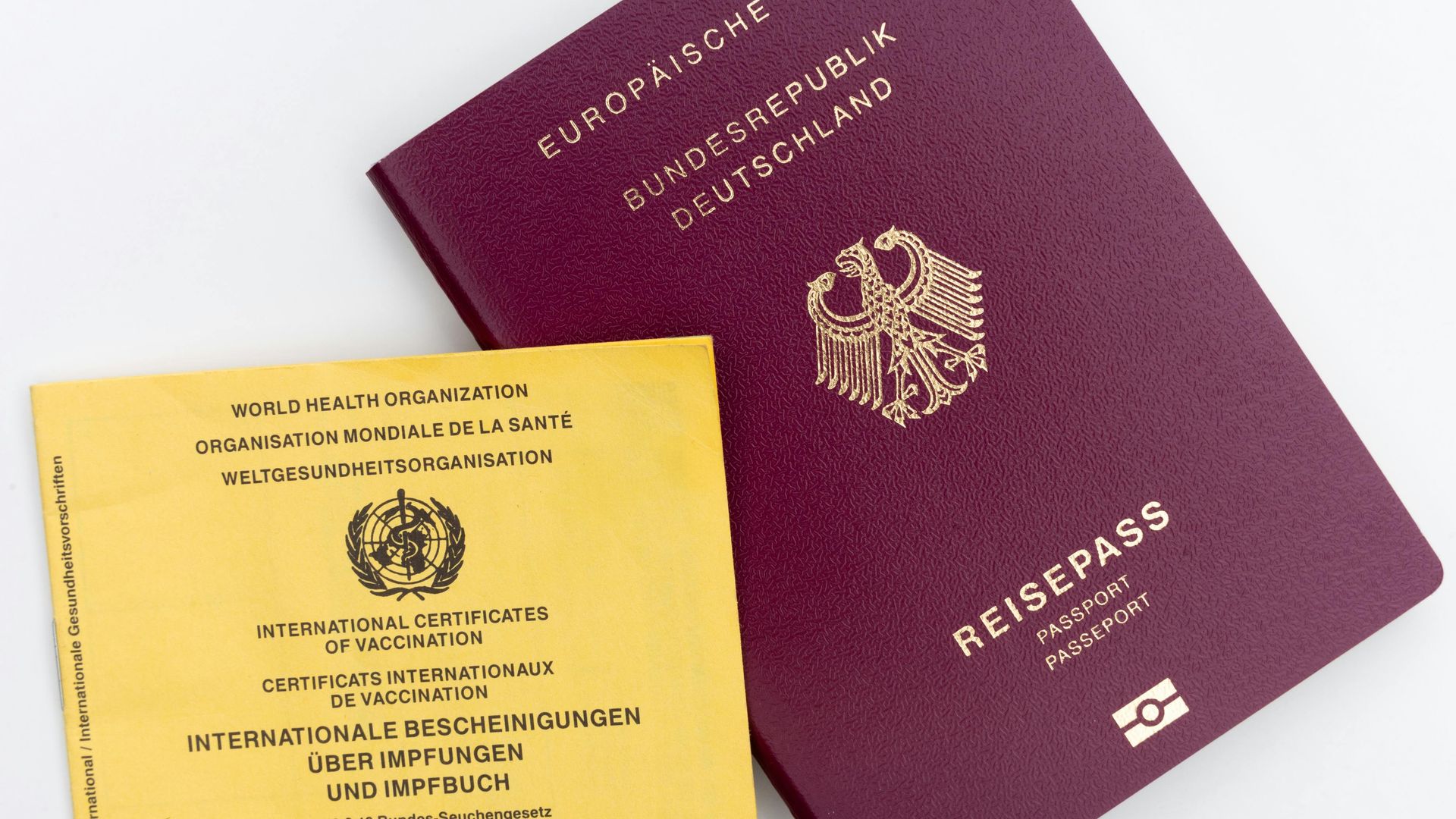
- German passport
- EU freedom of movement
- unrestricted labour market access
- no further residence permit requirement
- permanent immigration security
Naturalisation therefore often affects not only immigration status but also long-term professional, family and personal planning.
Related Topics
FAQ
Do I need to renounce my previous nationality?
Generally no.
Is B1 German sufficient?
Usually yes.
Are public benefits always harmful?
No. Circumstances matter.
Do criminal convictions always prevent naturalisation?
No.
What happens if authorities delay decisions?
Legal options may sometimes exist.

Dr. Theresa Rath
Dr. Theresa Rath advises on immigration law, business migration and German citizenship law. She advises in German, English, Spanish, Italian and Portuguese.
Contact
If eligibility is uncertain or procedures are delayed, individual legal assessment may help clarify available options.
Contact Information
You can also reach us directly using the contact details below. We are available to answer your questions and schedule consultations.