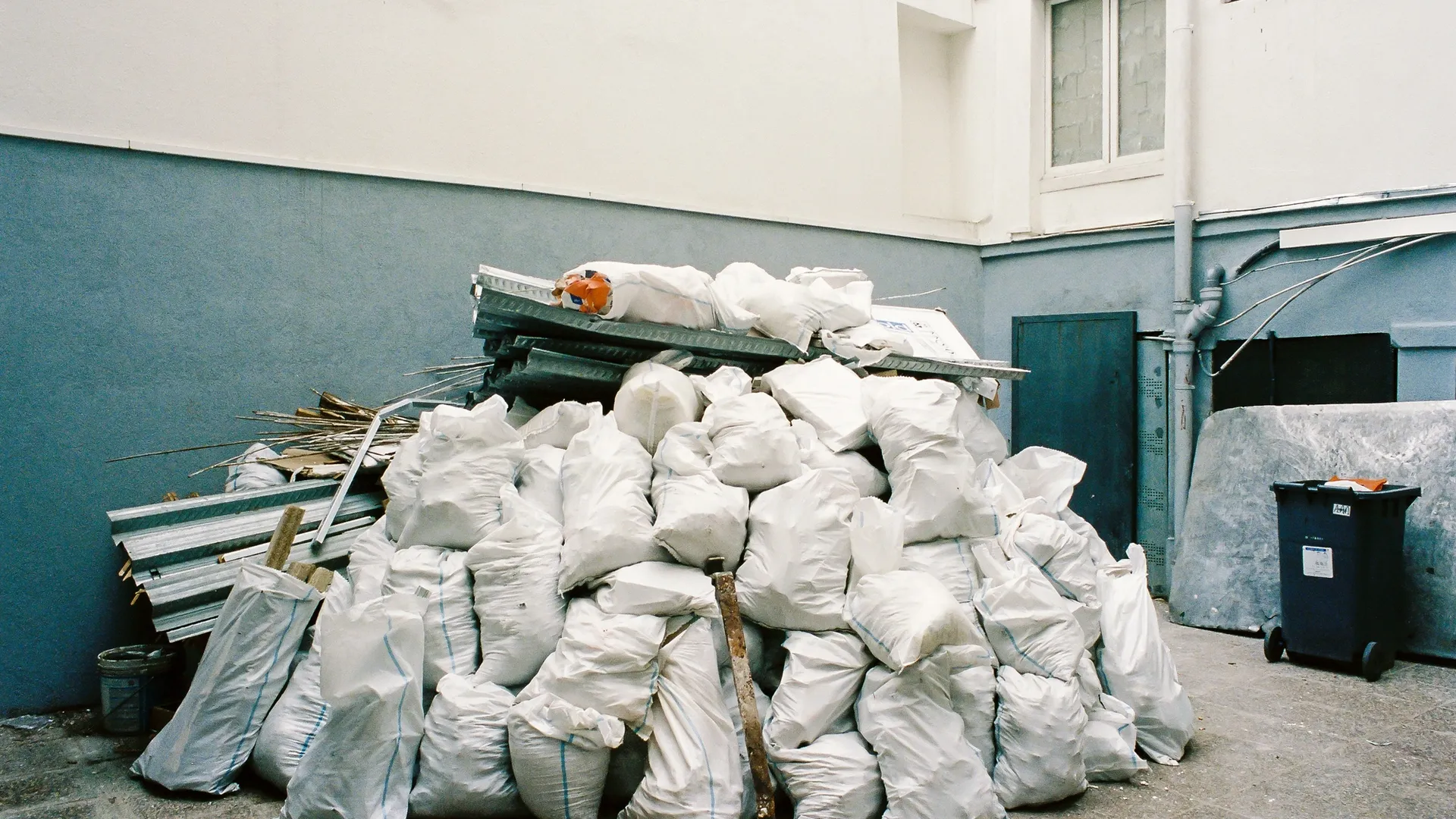
Waste Criminal Law under Section 326 StGB
Defence in cases involving dangerous waste, unlawful disposal or treatment outside the authorised facility framework.
A Section 326 StGB allegation first requires a clear account of what was actually handled as waste and whether the disposal or recovery route was criminally relevant. Waste status, dangerousness and authorisation are therefore tested against the real material flow.
By Dr. Julius Hagen, Attorney at Law
Waste is a legal classification, not a label
In many cases the dispute starts before the disposal itself. A company may treat a material as a product, a by-product or a recyclable input for a customer. Investigators may instead argue that the holder disposed of it, intended to dispose of it or was required to dispose of it because of its condition. The classification depends on the material’s purpose, condition and actual handling, rather than on the name used inside the business.
Section 326 of the German Criminal Code therefore begins with the question whether the material was waste in the legally relevant sense. A European Waste Catalogue code is an important starting point, but it does not by itself resolve the purpose of the material, the distinction between a by-product and waste, or whether waste status has already ended after recovery. If the operational facts differ from the account in the investigation file, the legal assessment can change at its foundation.
Documents that should be preserved immediately
- Waste codes, classifications, analyses and sampling records
- Permits, notifications, conditions and correspondence with the competent authority
- Contracts, weighing records, transfer documents and evidence of the material’s destination
- Internal approvals, emails and operating instructions in their original form
- Do not delete data, recreate documents or make spontaneous factual explanations to investigators
When waste becomes dangerous waste
The waste classification is only the first filter. Section 326(1) StGB applies to waste with one of the forms of danger described in the statute. These include poisons or pathogens, certain carcinogenic, reproductive-toxic or mutagenic materials, explosive or self-igniting waste, and material which, by its type, condition or quantity, is capable of causing lasting contamination or other harmful alteration of water, air or soil, or of endangering animals or plants.
The last category cannot be established by a label alone. The relevant suitability must be supported by the concrete composition, quantity and circumstances. For liquids, the condition of containers and pipes, the surface beneath them and the possibility of leakage may matter. In other cases, the evidence may include laboratory findings, mixtures, packaging, storage conditions and possible contact with environmental media. The small-quantity exception applies only where harmful effects are obviously excluded.
The act alleged in the case
Section 326(1) StGB covers more than disposal in the everyday sense. It includes, among other acts, collecting, transporting, treating, recovering, storing, depositing, discharging, disposing of, trading in and brokering waste. For a producer, the focus is the handover and choice of route; for a carrier, the transport; for an operator, acceptance and treatment. The job title alone does not establish personal responsibility.
The distinction between recovery and disposal can determine which regulatory and criminal provisions are relevant. The description given to the operation is not decisive. The analysis asks what principal purpose the material served and whether its properties were used for a genuine function. Filling or backfilling operations may therefore require a closer review of quantities, material quality, the filling obligation and the disposal interest. That is a factual reconstruction issue, not merely a question of contract wording.
Authorised facility and approved procedure
The administrative-law link in Section 326(1) StGB lies in how the waste is handled. Criminal liability may arise where dangerous waste is managed outside an authorised facility or with a substantial deviation from a required or authorised procedure. A permit may be limited to specific waste streams, quantities, treatment steps and conditions.
A disposal contract and transfer record are therefore not enough. The permit, actual waste stream and operation on site must be compared. Weighing records, samples, photographs, transport data, invoices, internal instructions and communications with the operator may show what waste was known and how it was actually treated. A substantial deviation must be distinguished from a purely documentary gap.
Intent and negligence
Intent must cover the factual circumstances of the handling and the administrative-law breach. Someone who neither knows nor accepts the possibility of the waste’s composition, waste status or permit limits does not automatically satisfy the mental element. A waste code alone therefore does not prove knowledge of a substantial deviation.
Section 326(5) StGB also covers negligence. The focus is on concrete duties of care, such as warnings, checks on recipients, approvals and delegations. The organisational responsibility of managing directors and appointed officers belongs on the company page and is addressed here only insofar as it explains the specific waste handling.
After official measures
After an inspection, seizure or search, the sequence of events should be secured: the allegation, waste stream, responsibilities, facilities and documents taken. Documented facts must be kept separate from the authorities’ assessments; data must not be retrospectively altered and accounts must not be coordinated.
Before any statement is made, the investigation file should be compared with the permit position and the documented treatment route. Cross-border movements trigger additional shipment rules, while an ongoing search or seizure first requires a procedural response. The Section 326 analysis then turns to what material was actually handled, by whom and under which authorisation.

Related environmental criminal law topics

Waste criminal law FAQ
Discuss a waste allegation confidentially
If authorities challenge the waste classification, disposal route or permit position, you can contact us confidentially. We will organise the documents and assess the next procedural steps.